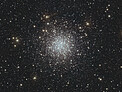
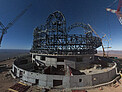
Międzynarodowy zespół badawczy dostrzegł odległy sygnał kosmicznego promieniowania radiowego trwający krócej niż milisekundę. Ten „szybki błysk radiowy” (ang. fast radio burst, w skrócie FRB) jest najdalszym wykrytym do tej pory. Jego źródło zostało ustalone przez Bardzo Duży Teleskop (VLT) należący do Europejskiego Obserwatorium Południowego (ESO). Okazała się że jest w galaktyce tak odległej, że jej światło potrzebuje ośmiu miliardów lat, aby do nas dotrzeć. Ten szybki błysk radiowy jest także jednym z najbardziej energetycznych spośród kiedykolwiek zaobserwowanych – w małym ułamku sekundy uwolnił energię odpowiadającą całkowitej emisji od Słońca przez ponad 30 lat.
Pełen tekst, zdjęcia i filmy są dostępne na stronie:
https://www.eso.org/public/poland/news/eso2317/
Z pozdrowieniami,
The ESO Department of Communication
19 października 2023
|
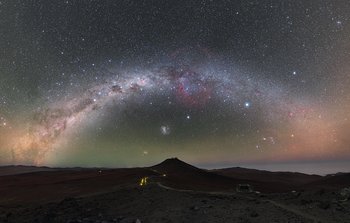
19 października 2023: Chile, ESO’s partner country and host to all three of its astronomical observatories, has yesterday issued a new standard to protect the country's dark skies, which are considered ...
|
| Czytaj dalej |

|
16 października 2023: Last week, a time capsule commemorating ESO staff, science, technology and cooperation between ESO and Chile was buried in a ceremony at the construction site of ESO’s Extremely Large ...
|
| Czytaj dalej |
|
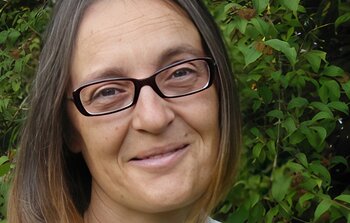
27 września 2023: Francesca Primas, Full Astronomer at ESO, has been honoured with the inaugural Nancy Grace Roman Award by the Astronomical Society of the Pacific (ASP). Primas is the first person to ...
|
| Czytaj dalej |
|
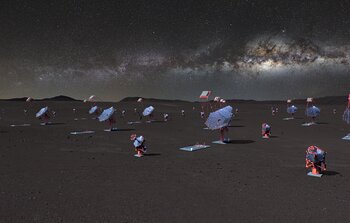
25 września 2023: Progress in the Cherenkov Telescope Array Observatory (CTAO) –– the world’s most powerful ground-based gamma-ray observatory –– will be bolstered by a recent funding pledge from its governing bodies. On 6 ...
|
| Czytaj dalej |
|
Claudia Sciarma
6 października 2023: Invisible and untouchable, it is not easy to imagine magnetic fields. But they are everywhere: in fridge magnets, across our planet, in stars and even in galaxies — the Universe ...
|
| Czytaj dalej |
|
|
|
|