Quando Betelgeuse, una brillante stella di color arancione nella costellazione di Orione, è diventata visibilmente più fioca tra la fine del 2019 e l'inizio del 2020, la comunità degli astronomi era perplessa. Un'equipe di astronomi ha ora pubblicato nuove immagini della superficie della stella, scattate utilizzando il VLT (Very Large Telescope) dell'ESO (l'Osservatorio Europeo Australe), che mostrano chiaramente come sia cambiata la sua luminosità. La nuova ricerca rivela che la stella era parzialmente nascosta da una nube di polvere, una scoperta che risolve il mistero della "Grande Attenuazione" di Betelgeuse.
Testo immagini e video disponibil su:
https://www.eso.org/public/switzerland-it/news/eso2109/
Cordiali saluti,
The ESO Department of Communication
16 Giugno 2021

|
11 Giugno 2021: Sono in corso i preparativi per riprendere i lavori di costruzione dell'ELT (Extremely Large Telescope) dell'ESO a Cerro Armazones in Cile, a seguito dell'interruzione dovuta alla pandemia ...
|
| Leggi ancora |

|
01 Giugno 2021: Today, ESO signed an agreement with an international consortium to build and operate MAVIS, a unique instrument to be installed on ESO’s Very Large Telescope (VLT) that will provide ...
|
| Leggi ancora |
|
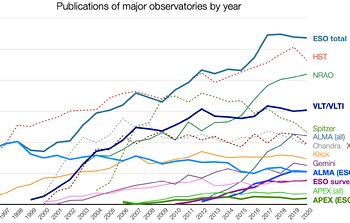
20 Maggio 2021: ESO observatories operated under challenging conditions in 2020 due to the unprecedented COVID-19 pandemic, having to reduce and even pause scientific observations for a few months. Nonetheless, 2020 was still ...
|
| Leggi ancora |
|
Thea Elvin
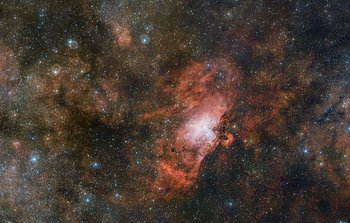
04 Giugno 2021: Next week, the VLT Survey Telescope (VST), located at ESO’s Paranal Observatory in the Chilean Atacama Desert, celebrates its tenth birthday. The anniversary marks ten years since the telescope’s “first ...
|
| Leggi ancora |
|
Juan Carlos Muñoz Mateos
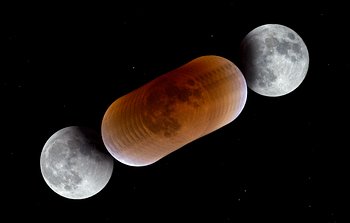
21 Maggio 2021: Astronomers have discovered thousands of exoplanets –– planets orbiting stars other than the Sun. When looking for the chemical fingerprints that life might have left in the atmospheres of these ...
|
| Leggi ancora |
|
|
|
|