 mirror sites:
PL (internal link)
HQ
[?]
mirror sites:
PL (internal link)
HQ
[?]
Quality Control and
Data Processing
|
 |
ESPRESSO: Bias
Bias frames are measured during daytime. They are measured daily with 1x1 binning (fast read-out, for HR and UHR observations) and with 2x1 binning (slow read-out, for HR observations). Bias frames with 4x2 and 8x4 binning (slow read-out) are typically only taken when MR science data have been observed during the night. A complete set per binning consists of 10 bias frames.
 Bias level
The master bias is the median stack of the (typically) ten input raw bias frames.
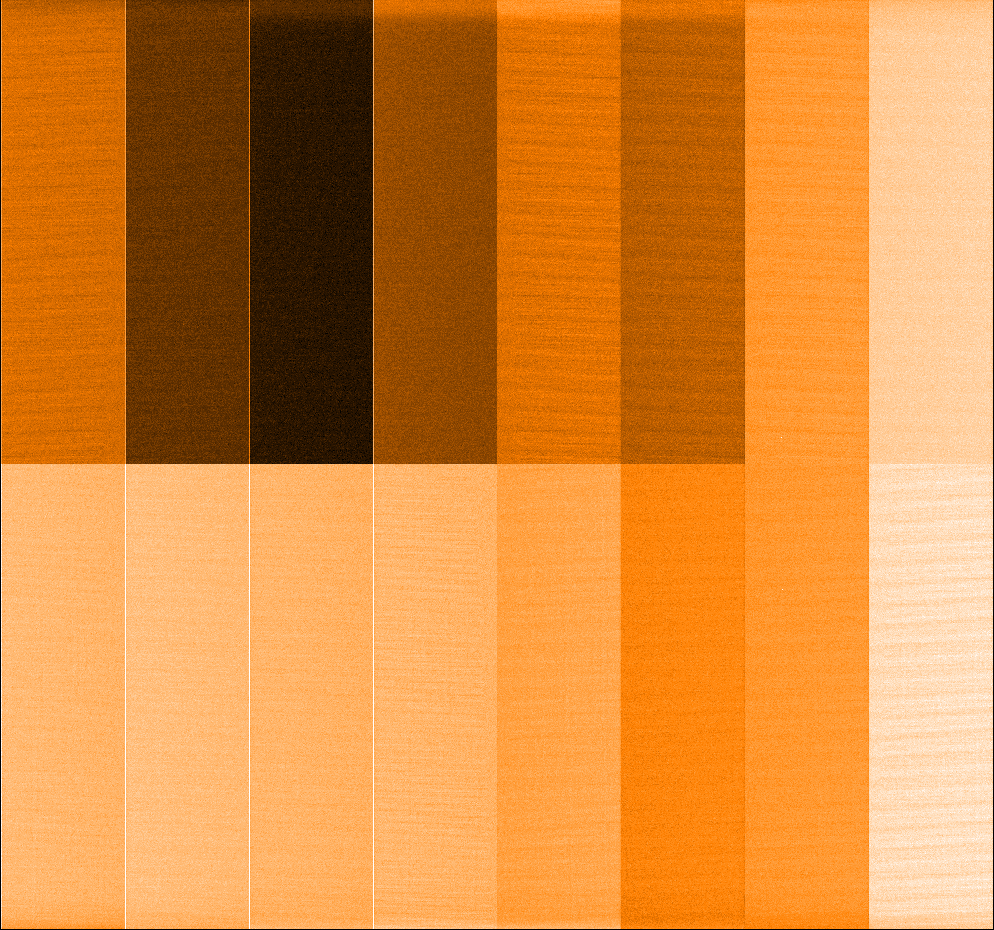
ESPRESSO has two chips, one for the BLUE and one for the RED arm. Each chip has 16 read-out ports. Bias QC parameters are determined by the pipeline per read-out port which leads to 16 different values for each QC parameter per chip. They are written as header keys in the form of (for the mean bias): QC.EXT<n>.ROX<x>.ROY<y>.BIAS.MEAN with <n> being the detector (0 for BLUE and 1 for RED), <x> the x position of the read-out on the chip (0, 1, to 7), and <Y> the y position (0 or 1). The corresponding names in the QC1 database follow the schema bias_mean_<x>_<y> . In addition to these individual values, the average and the RMS of these values are calculated per chip and written into the QC1 database. The bias QC1 parameters are trended separately for the four different read-out modes: 1x1 binning (fast read-out), and 2x1, 4x2, and 8x4 binning (all slow read-out). Thresholds have been set provisionally to +/- 25 ADUs during commissioning. Bias level changed a few times during commisioning. The mean bias level is determined per read-out port. The QC procedures calculate in addition the average and the RMS of all 16 ports per detector.
Read-out noise (RON)
ESPRESSO has two chips, one for the BLUE and one for the RED arm. Each chip has 16 read-out ports. Bias QC parameters are determined by the pipeline per read-out port which leads to 16 different values for each QC parameter per chip. They are written as header keys in the form of (for the mean bias): QC.EXT<n>.ROX<x>.ROY<y>.BIAS.MEAN with <n> being the detector (0 for BLUE and 1 for RED), <x> the x position of the read-out on the chip (0, 1, to 7), and <Y> the y position (0 or 1). The corresponding names in the QC1 database follow the schema bias_mean_<x>_<y> . In addition to these individual values, the average and the RMS of these values are calculated per chip and written into the QC1 database. The bias QC1 parameters are trended separately for the four different read-out modes: 1x1 binning (fast read-out), and 2x1, 4x2, and 8x4 binning (all slow read-out). Scoring&thresholds Read-out noise (RON) TBD. There was a period with increased electronic noise during commisioning. Algorithm Read-out noise (RON) RON is determined per read-out port. The QC procedures calculate in addition the average and the RMS of all 16 ports per detector.
|
||||||||||||||||||||||||||||||||||||||||||||||||||||||||||||||||||||||||||||||||||||||||||||||||||||||||||||||||||||||||||||||||||||||||||||||||||||||||||||||||||||||||||||||||||||||||||||||||||||||||||||||||||||||||||||||||||||||||||||||||||||||||||||||||||||||||||||||||||||||||||||||||||||||||||||||||||||||||||||||||||||||||||||||||||||||||||||||||||||||||||||||||||||||||||||||||||||||||||||||||||||
| |
||||||||||||||||||||||||||||||||||||||||||||||||||||||||||||||||||||||||||||||||||||||||||||||||||||||||||||||||||||||||||||||||||||||||||||||||||||||||||||||||||||||||||||||||||||||||||||||||||||||||||||||||||||||||||||||||||||||||||||||||||||||||||||||||||||||||||||||||||||||||||||||||||||||||||||||||||||||||||||||||||||||||||||||||||||||||||||||||||||||||||||||||||||||||||||||||||||||||||||||||||||||
 |
|
|||||||||||||||||||||||||||||||||||||||||||||||||||||||||||||||||||||||||||||||||||||||||||||||||||||||||||||||||||||||||||||||||||||||||||||||||||||||||||||||||||||||||||||||||||||||||||||||||||||||||||||||||||||||||||||||||||||||||||||||||||||||||||||||||||||||||||||||||||||||||||||||||||||||||||||||||||||||||||||||||||||||||||||||||||||||||||||||||||||||||||||||||||||||||||||||||||||||||||||||||||||