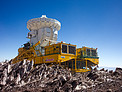
Alcuni astronomi, usando ALMA (Atacama Large Millimeter/submillimeter Array), hanno ripreso, vicino a una giovane stella, la regione in cui le particelle di polvere possono aggregarsi e quindi crescere. È la prima volta che viene osservata chiaramente e modellata una simile "trappola per la polvere". Si risolve un mistero di lunga data su come le particelle di polvere nei dischi stellari crescano fino a raggiungere dimensioni così grandi da formare, alla fine, comete, pianeti e altri corpi rocciosi. I risultati del lavoro vengono pubblicati dalla rivista Science il 7 giugno 2013.
Testo immagini e video disponibil su:
http://www.eso.org/public/switzerland-it/news/eso1325/
Traduzioni disponibili sulla pagina del vostro paese:: Shqipëria, Österreich, België—Belgique—Belgien, Brasil, Chile, Česko, Danmark, Suomi, France, Deutschland, Ísland, Italia, Nederland, Norge, Polska, Portugal, Россия, España, Sverige, Suisse—Schweiz, Türkiye, Україна, International English
Cordiali saluti,
Nicolas Cretton
ESON Switzerland
eson-switzerland@eso.org
06 giugno 2013
|
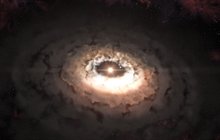
06 giugno 2013: ESOcast number 58 will lead you straight into a trap. Astronomers using the new Atacama Large Millimeter/submillimeter Array (ALMA) have, for the first time, clearly imaged a dust trap — ...
|
| Leggi ancora |
|
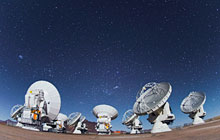
06 giugno 2013: Following the very busy period of the ALMA inauguration in March 2013, and as part of the activities towards the completion of the observatory later this year, the ALMA team ...
|
| Leggi ancora |
|
03 giugno 2013: The European Astronomy Journalism Prize 2013 is launched today and this year has been expanded to now include entries from Europe and South America. The competition is run by the ...
|
| Leggi ancora |