 mirror sites:
PL (internal link)
HQ
[?]
mirror sites:
PL (internal link)
HQ
[?]
Quality Control and
Data Processing
|
 |
VISIR: Flat-field frames
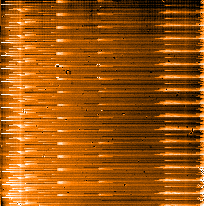
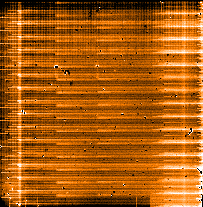
Flat-field frames are not measured any longer after the instrument upgrade. The information on this page refers to the pre-upgrade status until May 2012 and is kept here for historical reference. One set of flat-field exposures is taken daily during daytime. It consists of up to 6 raw frames, where each is illuminated with different flux level. The changes of the flux are achieved by illuminating the detector with the Warm Calibration Unit which simulates black body radiation with different temperatures:
 Bad pixels
The number of bad pixels was trended separately for both the imaging and the spectroscopic detector. Scoring is not implemented. May 2012: end of operations new detectors, flat fields are no longer measured. The median intensity is determined determined for each flat-field image. Then a linear fit of the actual intensity per pixel and the median is achieved. Those pixels where the slope (i.e. relative gain) deviates strongly from 1, i.e. the relative gain is outside the range of 1/5 to 5, are flagged as bad pixels.
Bad pixels
The flat-field flux was trended for the imaging detector. Scoring is not implemented. May 2012: end of operations new detectors, flat fields are no longer measured. This parameter monitors the stability of the Warm Calibration Unit (WCU). The first two flat-field frames in the stack (taken at temperatures 20C and 10C of the WCU) are subtracted from each other, the median flux in the central area is calculated, and normalized by DIT.
|
|||||||||||||||||||||||||||||||||||||||||||||||||||||||||||||||||||||||||||||||||||||||||||||||||||||||||||||||||||||||||||||||||||||||||||||||||||||||||||||||||||||||||||||||||||||||||||||||||||||||||||||||||||||||||||||||||||||||||||||||||||||||||||||||||||||||||||||||||||||||||||||||||||||||||||||||||||||||||||||||||||||||||||||||||||||||||||||||||||||||||||||||||||||||||||||||||||||||||||
| |
|||||||||||||||||||||||||||||||||||||||||||||||||||||||||||||||||||||||||||||||||||||||||||||||||||||||||||||||||||||||||||||||||||||||||||||||||||||||||||||||||||||||||||||||||||||||||||||||||||||||||||||||||||||||||||||||||||||||||||||||||||||||||||||||||||||||||||||||||||||||||||||||||||||||||||||||||||||||||||||||||||||||||||||||||||||||||||||||||||||||||||||||||||||||||||||||||||||||||||||
 |
|
||||||||||||||||||||||||||||||||||||||||||||||||||||||||||||||||||||||||||||||||||||||||||||||||||||||||||||||||||||||||||||||||||||||||||||||||||||||||||||||||||||||||||||||||||||||||||||||||||||||||||||||||||||||||||||||||||||||||||||||||||||||||||||||||||||||||||||||||||||||||||||||||||||||||||||||||||||||||||||||||||||||||||||||||||||||||||||||||||||||||||||||||||||||||||||||||||||||||||||