Tiedote
Yli puolet ELT:n jättiläispeileistä on jo Chilessä
14. lokakuuta 2026
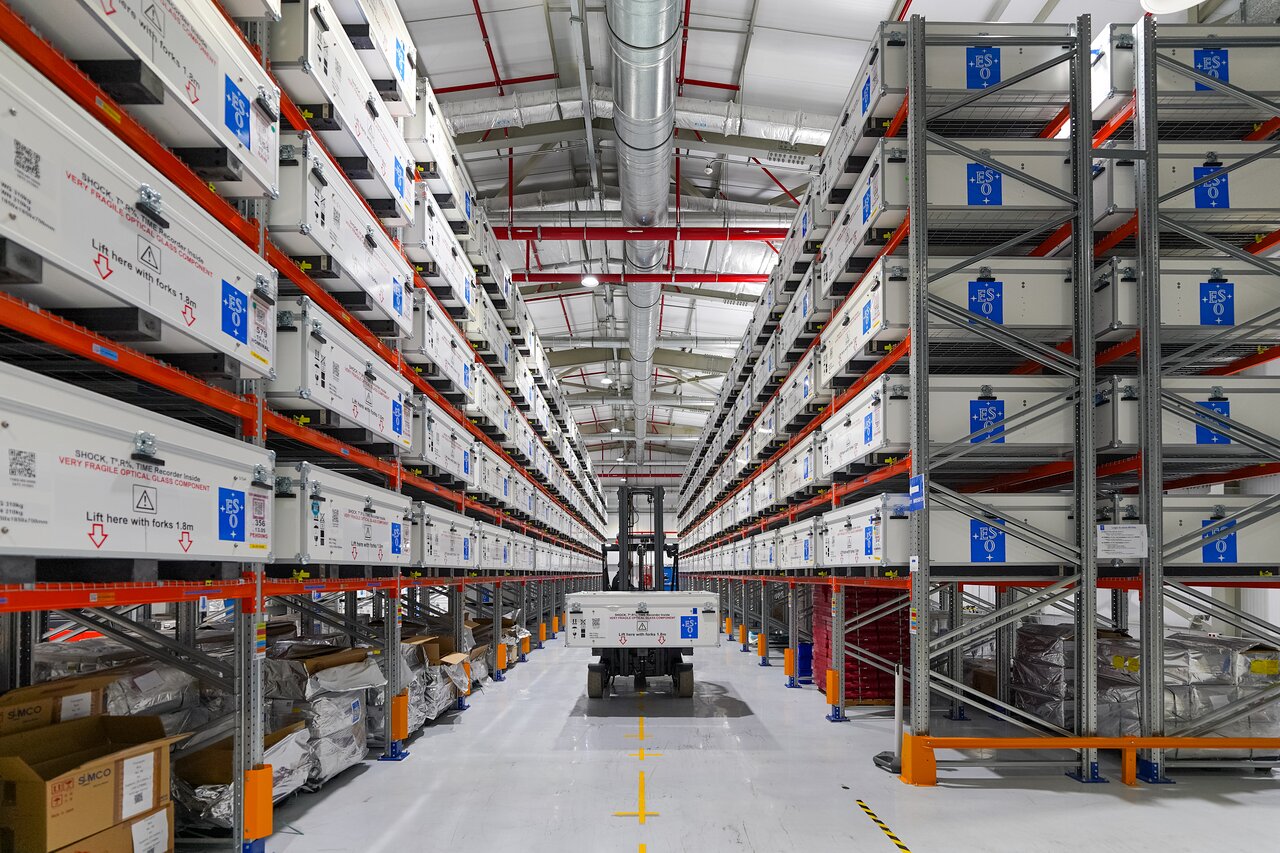
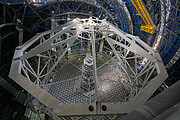
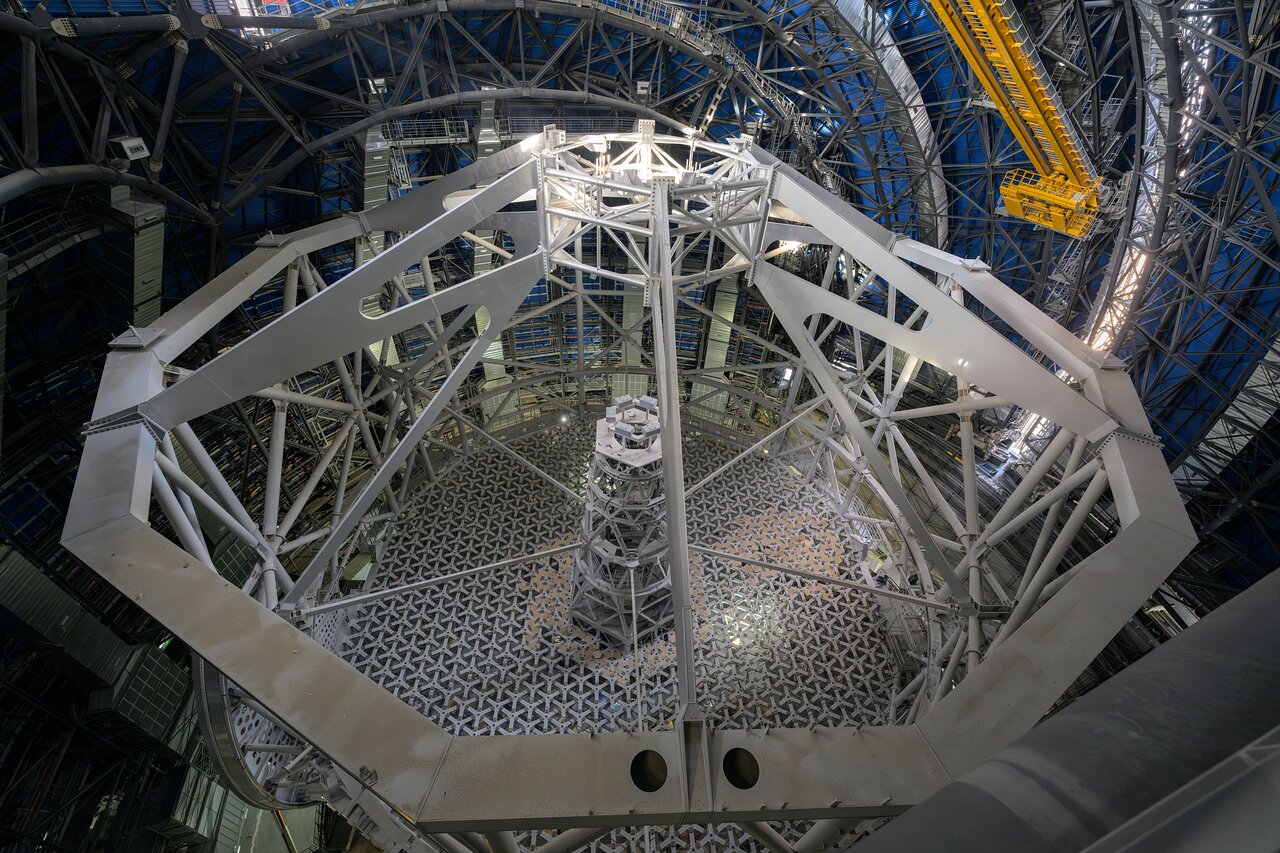
Maailman suurimman teleskoopin peilin osia on kuljetettu pala palalta Atlantin yli. ESO:n Extremely Large Telescope, eli ELT-teleskoopin pääpeilistä on saapunut jo 500 segmenttiä Chilessä sijaitsevaan ELT:n tekniseen laitokseen ESO:n Paranalin observatoriolle. Tämä on noin puolet kaikista segmenteistä, joista tulevaisuudessa koostetaan 39-metrinen taivasta tarkkaileva ”silmä”. Lisäksi viimeinen segmentti on tuotantovaiheessa Safran Reoscilla Ranskassa. Näin suurta peiliä ei ole mahdollista valmistaa yhdestä lasipalasta ja siksi ELT:n pääpeili (M1) koostuu 798:sta erillisestä segmentistä, jotka toimivat yhtenä kokonaisuutena. Näin mahdollistetaan tarkat ja perusteelliset havainnot maailmankaikkeudesta.
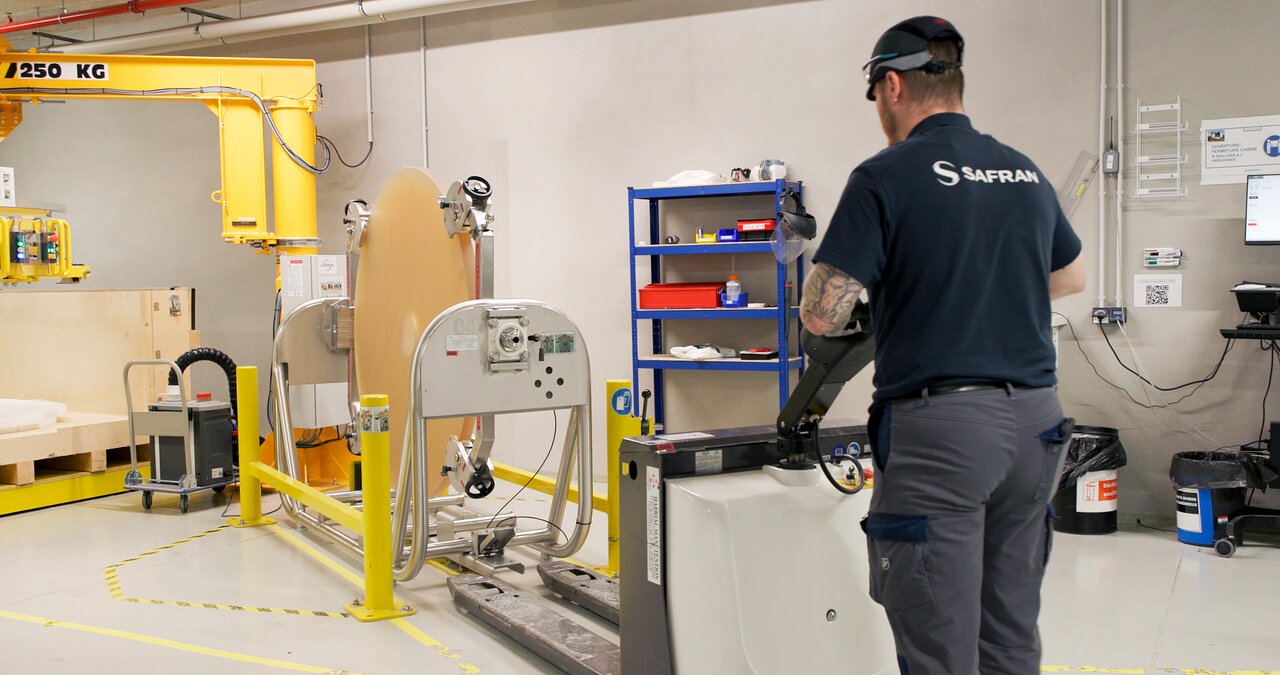
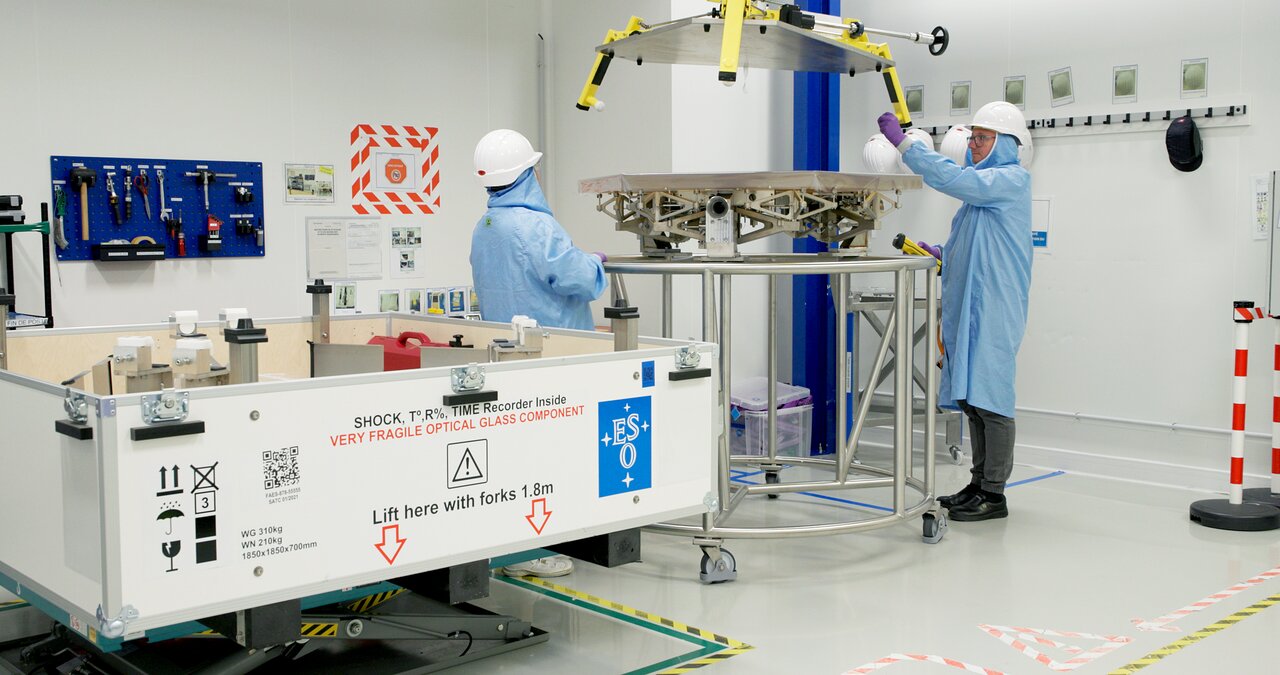
Kuusikulmaisten M1-segmenttien valmistus on monimutkainen prosessi, joka on esimerkki siitä kansainvälisestä yhteistyöstä, jonka ansiosta ELT:n toteutus on mahdollista. Segmenttien matka alkoi Saksasta, jossa SCHOTT valmisti segmenttien aihiot Zerodur©-lasikeraamisesta materiaalista, jonka muoto ei juurikaan muutu lämpötilan vaihteluissa. Aihiot kuljetettiin sitten Safran Reoscin tehtaalle Poitiersin lähelle Ranskaan, jossa ne muotoiltiin, kiillotettiin ja asennettiin tukiin, jotka olivat kahden alankomaalaisen yrityksen, TNO:n ja VDL ETG Projects BV:n, suunnittelemia ja valmistamia. FAMES-konsortio (Fogale, Ranska ja MicroEpsilon, Saksa) suunnitteli ja valmisti anturit, jotka valvovat kunkin segmentin suhteellista asentoa, ja saksalainen yritys Physik Instrumente valmisti aktuaattorit, jotka asemoivat kunkin segmentin täydellisesti naapurisegmenttien kanssa. Jo melkein valmiiksi asennettujen M1-segmenttien ja niiden tukien matkan viimeinen etappi on 10000:n kilometrin matka laivalla ja maanteitse Atacaman aavikolle. Tämän viimeisen tehtävän on saanut tanskalainen yritys DSV.
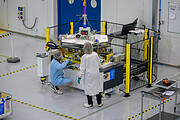
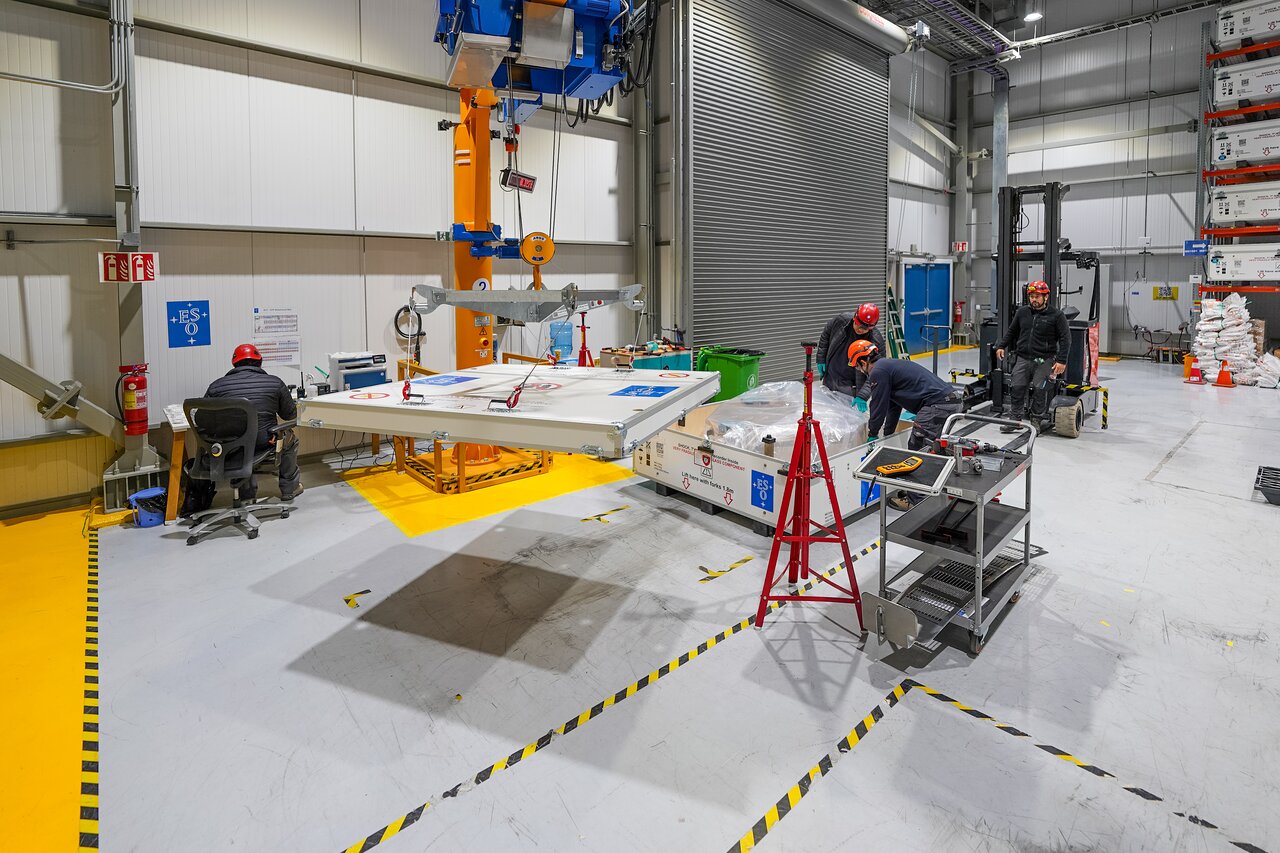
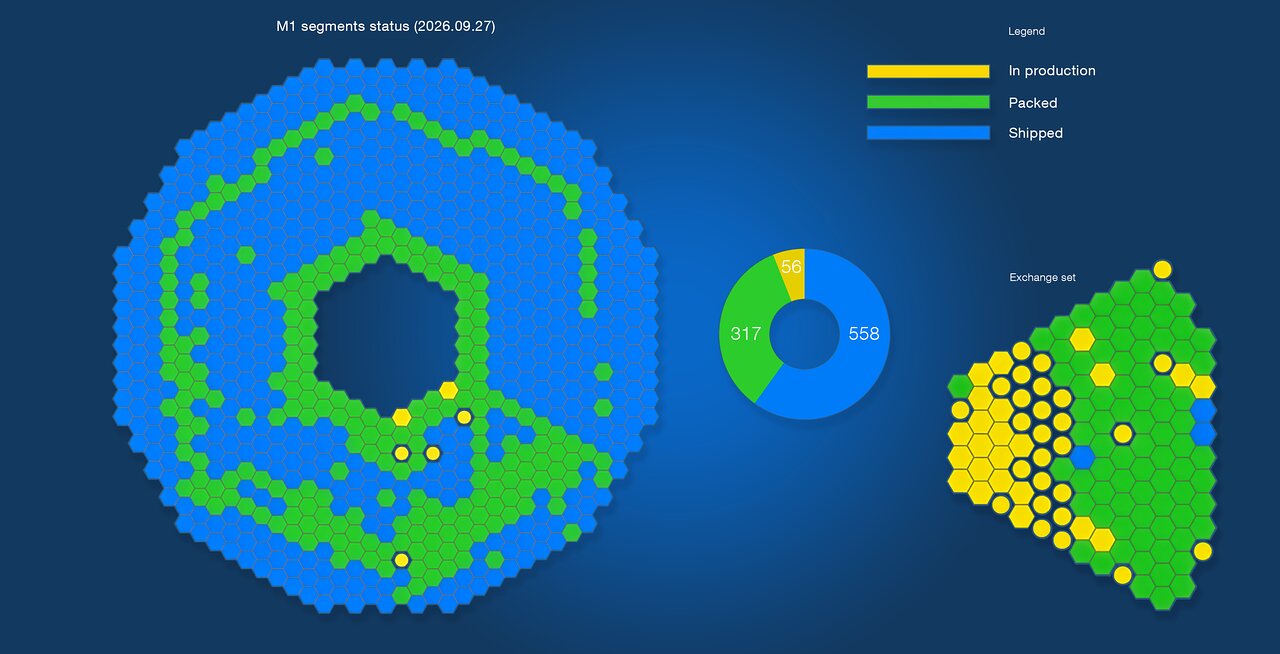
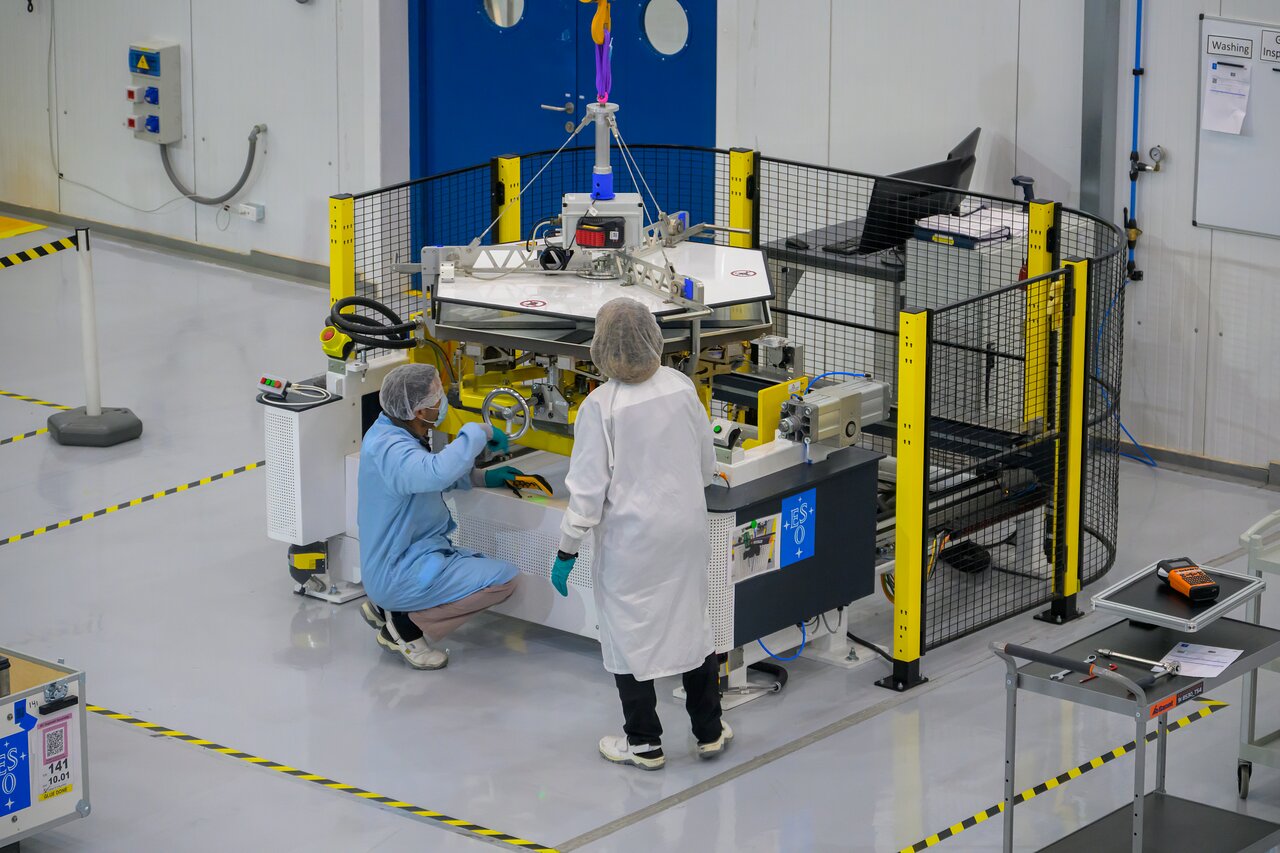
Segmenttien saapuessa ELT:n tekniseen laitokseen ESO:n insinöörit ja teknikot tarkastavat ja pinnoittavat ne, jolloin niille saadaan tähtien valoa keräävä hyvin heijastava pinta. Päällyste ei kuitenkaan kestä ikuisesti. Kaukoputken ollessa toiminnassa niistä on vaihdettava kaksi segmenttiä päivässä, jotka pinnoitetaan uudelleen. ESO:n Paranalin tiimi tekee tätä koko ELT:n käyttöiän ajan. Jotta tämä olisi mahdollista ilman, että peiliin jää aukkoa, on valmistettu 133 ylimääräistä segmenttiä (eli yhteensä 931), jolloin segmentti voidaan poistaa uudelleenpinnoitusta varten ja korvata välittömästi uudella. Uusimman erän saapumisen myötä nyt yli 50% 931:stä segmentistä on Chilessä.
Ensimmäiset peilisegmentit saapuivat Chileen vuoden 2024 alussa, mikä oli noin seitsemän vuotta sen jälkeen, kun niiden tuotantoa koskevat ensimmäiset teollisuussopimukset allekirjoitettiin. Safran Reosc on nyt kuitenkin saavuttanut tuotantovauhdin, jossa yksi segmentti valmistuu joka päivä. Vaikka yli puolet segmenteistä tukineen on jo saapunut Chileen, suurin osa muista segmenteistä on joko matkalla tai pakattuina ja valmiina lähetettäväksi, sekä muutama segmentti on vielä tuotannossa. Tämä tarkoittaa, että tulevina kuukausina kaikki M1-segmentit ovat Chilessä.
Kun ELT aloittaa muutaman vuoden kuluttua maailmankaikkeuden havainnot Paranalin lähellä Cerro Armazonesilta, siitä tulee maailman suurin tähtitaivaan tarkkailija. Sen jättimäinen peili, huipputeknologia ja erinomaisen sijaintipaikan pimeä taivas mahdollistavat muiden tähtien ympäri kiertävien kivisten planeettojen ilmakehän tutkimisen, maailmankaikkeuden syntymisen jälkeen muodostuneiden ensimmäisten galaksien ja tähtien havainnot sekä sen selvittämisen, ovatko fysiikan vakiot muuttuneet ajan kuluessa. ELT-projekti on nyt valmis yli 75-prosenttisesti, ja ensimmäiset tieteellisillä instrumenteilla tehtävät havainnot on tarkoitus alkaa vuoden 2030 loppupuolella.
Yhteystiedot
Bárbara Ferreira
ESO Media Manager
Garching bei München, Saksa
Puh.: +49 89 3200 6670
S-posti: press@eso.org
Tiedotteesta
| Tunnistus: | ann26009 |
Kuvat






Our use of Cookies
We use cookies that are essential for accessing our websites and using our services. We also use cookies to analyse, measure and improve our websites’ performance, to enable content sharing via social media and to display media content hosted on third-party platforms.
ESO Cookies Policy
The European Organisation for Astronomical Research in the Southern Hemisphere (ESO) is the pre-eminent intergovernmental science and technology organisation in astronomy. It carries out an ambitious programme focused on the design, construction and operation of powerful ground-based observing facilities for astronomy.
This Cookies Policy is intended to provide clarity by outlining the cookies used on the ESO public websites, their functions, the options you have for controlling them, and the ways you can contact us for additional details.
What are cookies?
Cookies are small pieces of data stored on your device by websites you visit. They serve various purposes, such as remembering login credentials and preferences and enhance your browsing experience.
Categories of cookies we use
Essential cookies (always active): These cookies are strictly necessary for the proper functioning of our website. Without these cookies, the website cannot operate correctly, and certain services, such as logging in or accessing secure areas, may not be available; because they are essential for the website’s operation, they cannot be disabled.
Functional Cookies: These cookies enhance your browsing experience by enabling additional features and personalization, such as remembering your preferences and settings. While not strictly necessary for the website to function, they improve usability and convenience; these cookies are only placed if you provide your consent.
Analytics cookies: These cookies collect information about how visitors interact with our website, such as which pages are visited most often and how users navigate the site. This data helps us improve website performance, optimize content, and enhance the user experience; these cookies are only placed if you provide your consent. We use the following analytics cookies.
Matomo Cookies:
This website uses Matomo (formerly Piwik), an open source software which enables the statistical analysis of website visits. Matomo uses cookies (text files) which are saved on your computer and which allow us to analyze how you use our website. The website user information generated by the cookies will only be saved on the servers of our IT Department. We use this information to analyze www.eso.org visits and to prepare reports on website activities. These data will not be disclosed to third parties.
On behalf of ESO, Matomo will use this information for the purpose of evaluating your use of the website, compiling reports on website activity and providing other services relating to website activity and internet usage.
Matomo cookies settings:
Additional Third-party cookies on ESO websites: some of our pages display content from external providers, e.g. YouTube.
Such third-party services are outside of ESO control and may, at any time, change their terms of service, use of cookies, etc.
YouTube: Some videos on the ESO website are embedded from ESO’s official YouTube channel. We have enabled YouTube’s privacy-enhanced mode, meaning that no cookies are set unless the user actively clicks on the video to play it. Additionally, in this mode, YouTube does not store any personally identifiable cookie data for embedded video playbacks. For more details, please refer to YouTube’s embedding videos information page.
Cookies can also be classified based on the following elements.
Regarding the domain, there are:
- First-party cookies, set by the website you are currently visiting. They are stored by the same domain that you are browsing and are used to enhance your experience on that site;
- Third-party cookies, set by a domain other than the one you are currently visiting.
As for their duration, cookies can be:
- Browser-session cookies, which are deleted when the user closes the browser;
- Stored cookies, which stay on the user's device for a predetermined period of time.
How to manage cookies
Cookie settings: You can modify your cookie choices for the ESO webpages at any time by clicking on the link Cookie settings at the bottom of any page.
In your browser: If you wish to delete cookies or instruct your browser to delete or block cookies by default, please visit the help pages of your browser:
Please be aware that if you delete or decline cookies, certain functionalities of our website may be not be available and your browsing experience may be affected.
You can set most browsers to prevent any cookies being placed on your device, but you may then have to manually adjust some preferences every time you visit a site/page. And some services and functionalities may not work properly at all (e.g. profile logging-in, shop check out).
Updates to the ESO Cookies Policy
The ESO Cookies Policy may be subject to future updates, which will be made available on this page.
Additional information
For any queries related to cookies, please contact: pdprATesoDOTorg.
As ESO public webpages are managed by our Department of Communication, your questions will be dealt with the support of the said Department.